The Typeform alternative that speaks each person's language.
Hands-free voice interviews where each person answers in the language they speak best, from 120+ languages, with video and ads shown mid-interview and a report you can present.







Just some of the teams that already listen with Underheard.










Office hours end. Interviews don't.
When people
answered
55%of interviews happen outside office hours3
- Mon to Fri, 09:00 to 17:0040 of the week's 168 hours45% of interviews
- Early mornings, evenings and weekendsThe other 128 hours55% of interviews
A team that works office hours reaches people in 40 of the week's 168 hours.
People answer by link when it suits them, so the study keeps running after you log off.
Here's why research teams pick a spoken interview.
One study, each person's language.
People answer in the language they speak best, from 120+ languages, and the themes cover every answer.
See how interviews run
Show the ad, not only a picture.
Play a video, or show a pack or an ad during the interview, and hear the first reaction.
See what teams testA report you can present.
PowerPoint, PDF or Markdown, with themes, counts and quotes, or a shared link.
See the exportsSample interview
A watch owner's story.
An example of how the interviewer listens and follows up. Press play.
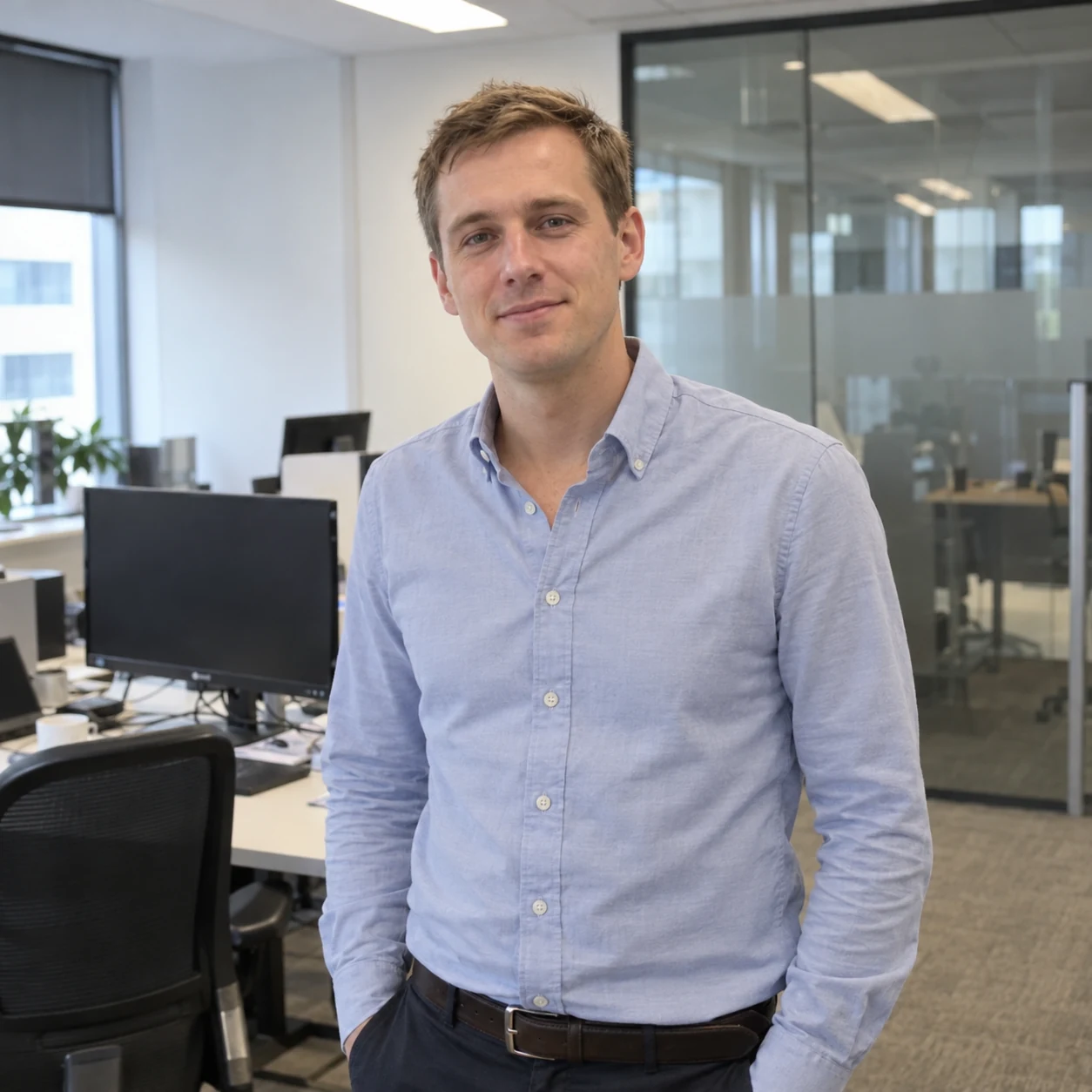 Sample interview · 1:09
Their words, in their language.
Each person answers out loud in the language they speak best, from 120+ languages, and one report brings every answer together.
Book a demoMany markets, one study.
Respondents in different countries take the same study, and one report compares them.
Show the real ad.
Play a video or show a pack or an ad, and hear the first reaction.
Ready for the meeting.
Download the report as PowerPoint, PDF or Markdown, or share it as a link.
Hands-free from the start.
Nobody presses record. The interviewer talks, people answer, and typing stays an option.
Built for the spoken interview, in each person's language.
| underheard. | Typeform | |
|---|---|---|
| Each person answers in their own language | Underheard: yes. Each person answers in their own language | Typeform: no. |
| Play a video or a video ad mid-interview | Underheard: yes. Play a video or a video ad mid-interview | Typeform: no. |
| Report as PowerPoint or PDF | Underheard: yes. Report as PowerPoint or PDF | Typeform: no. |
| Spoken interviews with follow-up questions | Underheard: yes. Spoken interviews with follow-up questions | Typeform: yes. |
| Recruited panel built in | Underheard: yes. Recruited panel built in | Typeform: yes. |
| Themes with quotes | Underheard: yes. Themes with quotes | Typeform: yes. |
How Underheard and Typeform differ on research interviews.
Typeform Research Flow and Underheard interviews
Typeform launched Research Flow on 9 June 2026. It runs voice, voice and video, or text sessions with an AI moderator that follows up on answers, screeners, a panel from Prolific or User Interviews, and an insights report. Underheard is built around the spoken interview. The interviewer asks out loud, hears the full answer and follows up on what the person said, and people can switch to typing whenever they like.
One language per study, or each person's own
In Research Flow you pick the respondent language for a study from a dropdown, and every session in that study runs in it. Typeform's help page adds that the welcome screen is not translated. In Underheard each person answers in the language they speak best, from 120+ languages, inside one study, and the themes count answers from every market together, so a German and a Spanish reply land in the same finding.
What you can show during the interview
Typeform's help page for Research Flow says participants can react to an image during the session, with one stimulus image per research question. In Underheard you can show an image, a pack, an ad or a video while the interview runs, and people react out loud while it is on screen, so you hear the first impression in their own words before they have time to tidy it up.
How the results reach your team
Research Flow's insights report is shared as a link, and its sessions export as a CSV file, with clips as MP4. An Underheard report is ready to present. It downloads as PowerPoint, PDF or Markdown, or goes out as a link, and each finding shows the question it came from, how many people raised it and the quotes behind it.
Research across markets? Underheard is built for you.
Start from one sentence, see every finding with its interviews and connect the tools you already use.
Your brief becomes the guide.
Write one sentence. It drafts the questions and the follow-ups, and you change anything before a single person hears it.
See how a study runsEvery finding opens its interviews.
Each theme shows the question it came from, how many people raised it and what they said.
See a report














Results land where you work.
Survey tools, CRMs, panels and chat tools, set up with you on request.
Ask about your stackQuestions research teams ask about Typeform.
What is Typeform Research Flow?
Research Flow is Typeform's AI interview product, launched on 9 June 2026. A study runs as voice, voice and video, or text sessions, with an AI moderator that follows up, screeners, a panel from Prolific or User Interviews, and an insights report. Its page offers it through a demo with sales. Underheard's research product is built around the spoken interview, hands-free and in each person's language.
Can Typeform interview people in several languages?
Research Flow asks you to choose one respondent language for a study from a dropdown, and every session in that study uses it. In forms, Smart Insights' theme analysis is built for English, and Typeform says it can't guarantee the quality in other languages. In Underheard each person answers in the language they speak best, from 120+ languages, within one study, and the themes include every answer.
Can Typeform take voice or video answers?
Yes, in two places. Research Flow sessions can run as voice or as voice and video. In ordinary forms, a video or audio answer can be up to 2 minutes long, and Typeform says that limit cannot be adjusted. In Underheard the spoken answer is the interview itself, and the interviewer follows up on what was said before moving to the next question.
What can Typeform's AI do?
In forms, Clarify with AI asks up to two clarification questions after one open answer, and Typeform says you cannot customise how that AI behaves. Smart Insights groups answers into themes. Research Flow adds an AI moderator and an insights report. Underheard's AI is the interviewer. It talks with each person, follows up on the answer and writes a report with themes, counts and quotes.
Does Typeform show images or video during an interview?
Research Flow lets participants react to one stimulus image per research question, according to its help page, and its FAQ lists images, concepts, copy and prototype screenshots. In Underheard you can show images, packs, ads and video during the interview, and the interviewer asks about each one while it is on screen, so you hear the first reaction to the real thing.
How do Typeform Research Flow results come out?
Its insights report opens from a link you copy, public or hidden, and the sessions export into a CSV file, with highlight clips as MP4. Typeform calls its executive summary a draft base for a formal report. An Underheard report is the formal one, with themes, counts and quotes, and it downloads as PowerPoint, PDF or Markdown for the meeting.
What are the best Typeform alternatives for research?
For research interviews rather than forms, teams weigh Typeform Research Flow against SurveyMonkey for surveys and against interview tools such as Listen Labs, Outset and Strella. Underheard suits teams that want a hands-free spoken interview in each person's language, ads and video shown during it, and a report ready to present.
Typeform or SurveyMonkey for research?
Both started as survey tools. SurveyMonkey stays with fixed questionnaires and adds AI to build and analyse them, while Typeform now also runs AI interview sessions through Research Flow. When the research question is why people feel the way they do, an interview gets further than either form. Underheard runs that interview out loud, in each person's language, with study data stored in the EU, as our EU data page explains.
Ask in their language. Hear the answer.
Book a demo1 Underheard voice interviews averaged about 112 words per person across 283 interviews (2 October 2026). Typed answers to an open survey question average 12 to 14 words, so about 8 times fewer (Lenzner, Höhne and Gavras, 2024).
2 Interview invitations our customers sent through their own channels, as of October 2026.
3 Voice interviews started on weekdays before 09:00 or from 17:00, or at weekends, in the time zone of the country each person opened the link from, across hundreds of people interviewed for our customers between July and November 2026.
Typeform details from typeform.com and help.typeform.com, checked 4 November 2026.
By Navid Mani, co-founder and CEO of Underheard. Updated 23 November 2026.